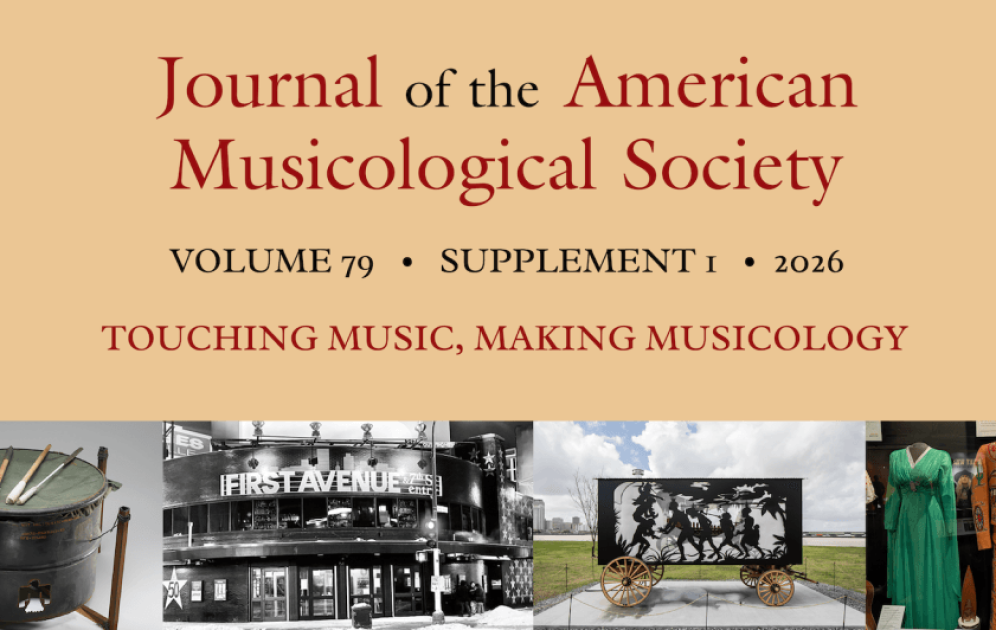
In June 2026, the Journal of the American Musicological Society published sixteen short essays by pioneering scholars on objects that illuminate American music history. The special colloquy of sixteen essays, titled “Touching Music, Making Musicology,” is available free of charge by the University of California Press.
Six of the featured scholars, Chelsea Burns, Jonathan De Souza, Joanna Demers, Sophia Enríquez, Charissa Noble, and Maxwell Yamane, share their work in the YouTube shorts below.
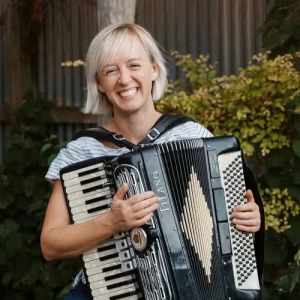
Chelsea Burns is associate professor of music theory at the Butler School of Music, and affiliate faculty at the Teresa Lozano Long Institute for Latin American Studies, both at the University of Texas at Austin. Her research interests include Latin American modernist concert music as well as vernacular genres, especially country and bluegrass. She is particularly interested in how contexts—economic, political, material—affect analytical interpretation. Her work addresses issues of race, postcoloniality, instrumental technologies, and expressions of privilege, among others.
Jonathan De Souza is an associate professor in the Don Wright Faculty of Music and a core member of the Centre for Theory and Criticism at the University of Western Ontario. He is the author of Music at Hand: Instruments, Bodies, and Cognition (Oxford, 2017) and a coeditor for the forthcoming Oxford Handbook of the Phenomenology of Music.
Joanna Demers is professor of musicology at the USC Thornton School of Music, where she teaches classes on popular and experimental music, aesthetics, and intellectual-property law. Two of her recent books (Drone and Apocalypse and Anatomy of Thought-Fiction) straddle academic writing and fiction to explore intractable problems of high art and higher education. She is currently writing a book on the electronic group Salem.
Sophia Enríquez is an ethnomusicologist and public folklorist whose work explores music, migration, and community making in Appalachia and the US South, with an emphasis on Latino communities’ contributions to the region. She teaches in the music department and program for Latino/a studies in the global south at Duke University. Sophia is the cofounder of community music collective Son de Carolina and directs the annual Fandango de Durham festival.
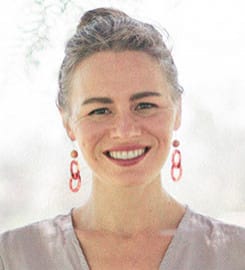
Charissa Noble is assistant professor of music at the University of San Diego, where she teaches music history, art history, and cultural studies. A specialist in US experimental music, her research explores twentieth-century California avant-garde scenes, critical voice studies, and experimental practice. As an active performer-scholar and proponent of public scholarship, she codirects the experimental vocal ensemble San Diego New Verbal Workshop and has lectured at La Jolla Music Society’s SummerFest and the Museum of Contemporary Arts San Diego, La Jolla.
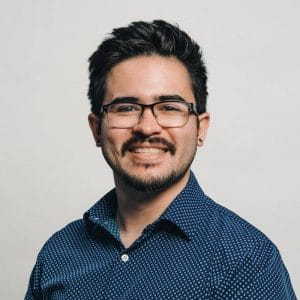
Maxwell Yamane is an assistant professor of ethnomusicology at the University of Oklahoma. His research interests include powwow on the Southern Plains and East Coast, Indigenous language reclamation and music, and Indigenous protest music. In his free time, Maxwell performs with the Zotigh Singers and Ottertrail Singers. He is dedicated to culturally responsible and collaborative scholarship in ways that serve the community.